QuantineliQ AI
AI that watches every camera and device, and shows its evidence
RCC turns the cameras you already have into 290+ AI video analytics, face and plate recognition and search in plain words, with a copilot that drafts summaries and answers questions. QUME’s AI finds anomalies on laptops, phones and servers and drafts the fix. Every answer cites what it used, and every drafted action waits for a person.
Runs on your own serversAnswers that cite their evidenceDrafts wait for a person
RCCCopilot
Sees what you may seeSample data
Red jacket and a backpack at the north gate after 9 pm
- 1North gate 221:07:41Match 0.93
- 2North gate 321:09:02Match 0.88
- 3Lobby 121:12:30Match 0.81
One person matching the description came through North gate 2 at 21:07 1, walked past North gate 3 at 21:09 2, and reached the lobby at 21:12 3.
3 of 3 statements cite a clip · saved as a journey you can export
RCC · Vision AI
Every camera becomes a sensor that understands what it sees
Analytics run next to your cameras, on a GPU or a CPU, with no internet connection. In RCC an analytic is configuration, not another product, so adding one is a change to a camera rather than a project.
RCCMain gate · Camera 02
LiveSample data
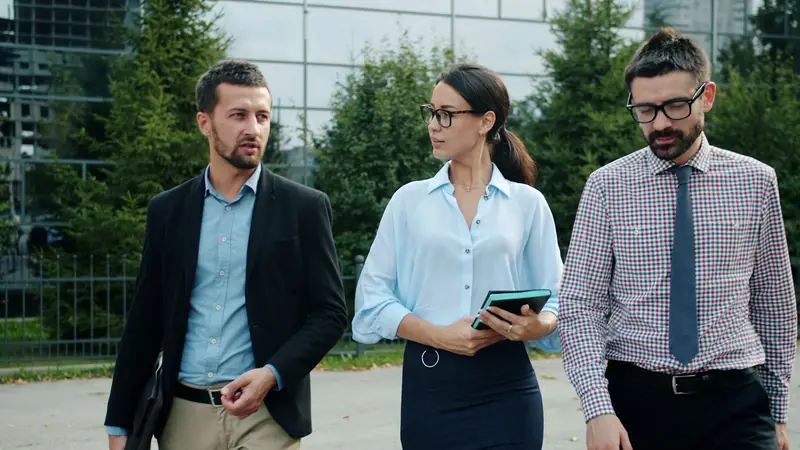 Staff · 0.98Visitor · 0.96Staff · 0.97
Face-verified entryVisitor matched to her invitation at the main gate
Host toldConsent on recordAccess for the visit only
Has my 10 o’clock visitor arrived?
Yes. She was matched to her pre-registration photo at the main gate at 09:58 1. Her badge was printed, and her access ends at 13:00 with the visit 2.
Copilot · every sentence cites its evidence
RCC on a gate camera: it matches two staff and a pre-registered visitor, with her consent on record, and tells her host.
RCCExit 1 · Camera 05
LiveSample data
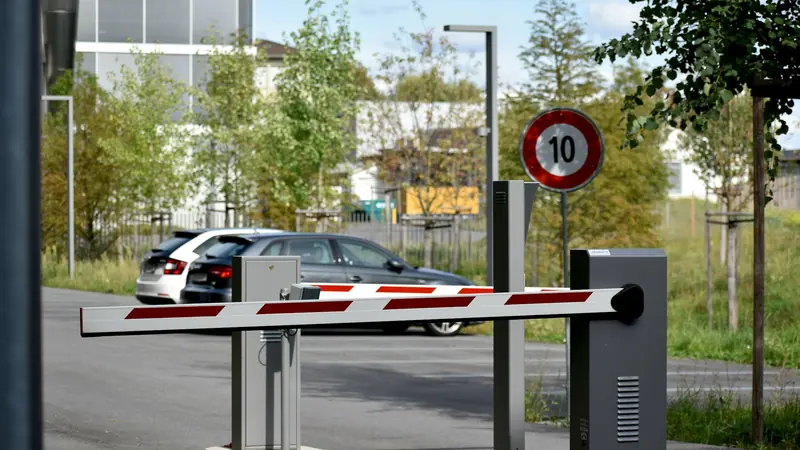 Car · 0.97KA 05 MN 4821 · 0.96
Plate refusedKA 05 MN 4821 is on the blocklist at Exit 1
Barrier kept closedReason recordedClip held
Why did the barrier stay closed at Exit 1?
The plate was read at 18:07 across six frames 1. It is on the car park’s blocklist for an unpaid permit, so the barrier stayed closed and the reason was recorded 2.
Copilot · every sentence cites its evidence
RCC on a car park exit: it reads a plate on the blocklist, keeps the barrier closed and records why.
RCCZone C · Camera 09
LiveSample data
 Zone C · helmets and vestsHelmet, vest · 0.97Helmet, vest · 0.96
PPE check2 of 2 people in Zone C wear helmets and vests
No alertShift report updated
Was anyone in Zone C without a helmet today?
One person entered without a helmet at 08:47 1. The supervisor was told, the person left the zone at 08:52, and everyone since has worn a helmet and a vest 2.
Copilot · every sentence cites its evidence
RCC on a construction site: it checks that both workers in Zone C wear helmets and vests.
RCCYard 4 · Camera 12
LiveSample data
 Yard 4 · store shedFire and smoke · 0.98
Fire and smokeFlames at the store shed in Yard 4
Clip heldIncident INC-2318Evacuation SOP started
What do we know about the Yard 4 fire?
Smoke was first seen at the store shed at 23:39 1. Flames followed at 23:41, the incident opened with the clip, and the evacuation SOP went to the night team 2.
Copilot · every sentence cites its evidence
RCC on a yard camera at night: it detects fire and smoke at a shed and starts the evacuation SOP.
RCCBay 2 · Camera 07
LiveSample data
 Bay 2 · 30-minute limitPallets · 0.93Truck · dwell 47 minForklift · 0.96
Dwell alertTruck over 30 minutes at Bay 2
Clip heldIncident INC-2304Dock team told
What happened at Bay 2 this afternoon?
A truck reversed into Bay 2 at 14:02 1. It has been there 47 minutes, past the bay’s 30-minute limit, and the dwell alert opened INC-2304 2.
Copilot · every sentence cites its evidence
RCC on a loading bay: it finds a truck standing 47 minutes against a 30-minute limit and tells the dock team.
RCCNorth fence · Camera 22
LiveSample data
 North fence · perimeterPerson on fence · 0.96
Perimeter breachSomeone climbing the north fence
Clip heldIncident INC-2340Guard dispatched
Where did the person on the north fence go?
They crossed the fence at 19:14 1. Camera 23 shows them walking toward the yard, and the nearest guard is on the way 2.
Copilot · every sentence cites its evidence
RCC on a perimeter camera: it finds someone climbing the fence and dispatches the nearest guard.
RCCCentral station · Camera 02
LiveSample data
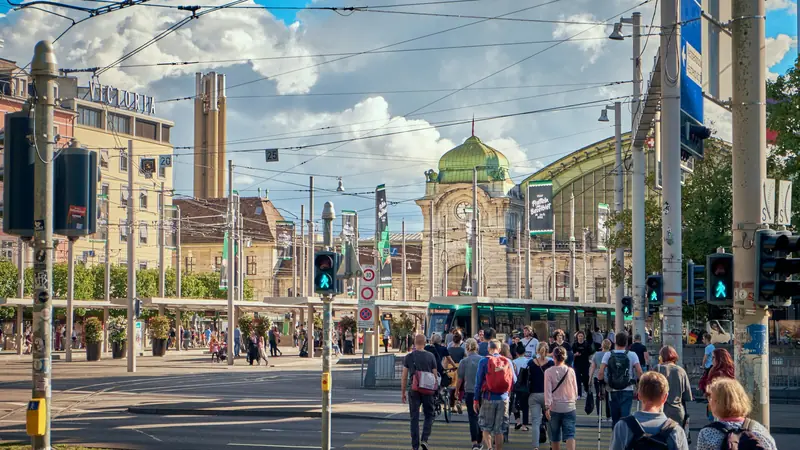 Station forecourtDensity 4.1 per m² · 0.92
Crowd buildingStation forecourt over its density threshold
SOP startedPA message sent
How crowded is the station forecourt?
Density reached 4.1 people per square metre at 08:55, above the limit of 3.5 1. The SOP opened a second entrance, and a PA message asked people to use it 2.
Copilot · every sentence cites its evidence
RCC on a station forecourt: it measures crowd density over the threshold, starts the SOP and sends a PA message.
RCCVisitor entrance · Camera 04
LiveSample data
 Visitor entrance queueQueue · 11 people · 14 min
Queue over its limit11 people waiting at the visitor entrance, against a limit of 8
Second desk openedSOP started
How long is the wait at the visitor entrance?
Eleven people are queuing, above the limit of eight 1. The SOP opened a second desk at 10:05, and the average wait is 14 minutes 2.
Copilot · every sentence cites its evidence
RCC on a visitor entrance: it counts the queue over its limit and opens a second desk.
RCCCar park ramp · Camera 03
LiveSample data
 Person down · 0.93
Person downSomeone has been lying on the walkway for 2 minutes
Guard dispatchedIncident INC-2335
Is anyone helping the person on the ramp?
The person fell at 22:08 and has not moved since 1. The nearest guard was dispatched at 22:10, with the clip on their phone 2.
Copilot · every sentence cites its evidence
RCC on a car park ramp: it finds a person down and dispatches the nearest guard.
RCCEast entrance · Camera 06
LiveSample data
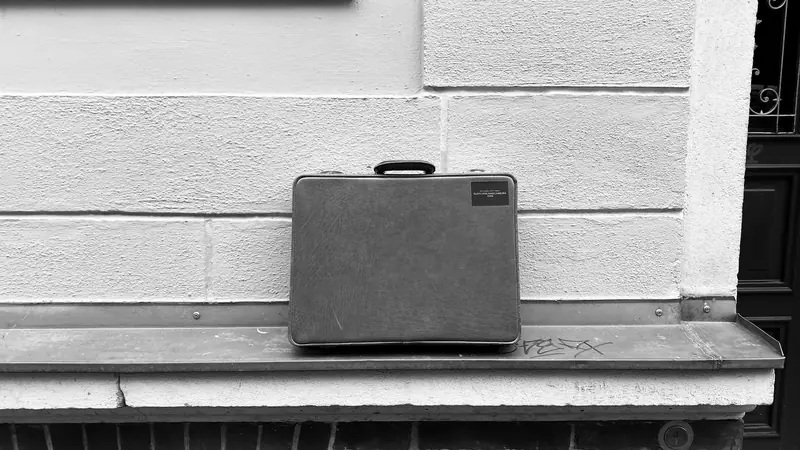 Bag left · 12 min
Object left behindA briefcase left on the ledge at the east entrance
Owner traced on videoGuard told
Who left the briefcase at the east entrance?
It was put down at 15:19 by a person who walked toward the car park 1. They have not come back, and the guard was told at 15:31 with the clip 2.
Copilot · every sentence cites its evidence
RCC on an entrance: it finds a briefcase left behind, traces who left it and tells the guard.
RCCDepot Rd · Camera 17
LiveSample data
 Loitering · 9 min
LoiteringSomeone at the closed bus stop for 9 minutes after midnight
Clip heldPatrol asked to check
Why was the patrol sent to Depot Road?
Someone has stood at the closed bus stop since 00:33, past the zone’s five-minute limit at night 1. The patrol was asked to check at 00:42 2.
Copilot · every sentence cites its evidence
RCC on a bus stop at night: it finds someone staying past the zone’s limit and asks the patrol to check.
RCCRing Rd junction · Camera 08
LiveSample data
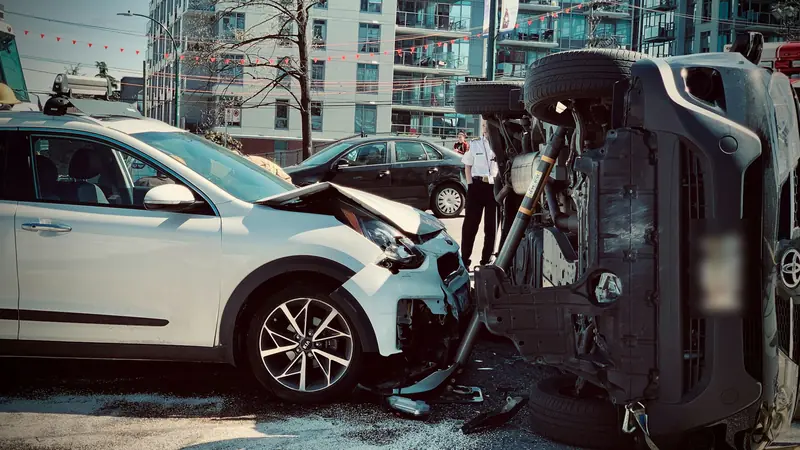 Car · 0.97Overturned car · 0.95
AccidentTwo cars collided at the Ring Road junction
Incident INC-2330Units dispatchedClip held
What happened at the Ring Road junction?
Two cars collided at 17:21 and one overturned 1. The incident opened with the clip, and the nearest ambulance and traffic unit were dispatched 2.
Copilot · every sentence cites its evidence
RCC on a junction: it detects a collision, opens an incident and dispatches the nearest units.
RCCStation Rd · Camera 14
LiveSample data
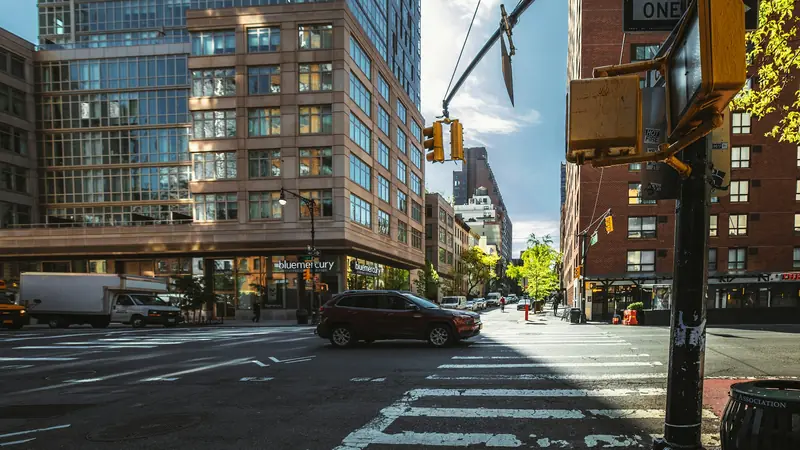 One way · eastboundWrong way · 0.95Truck · 0.96
Wrong-way vehicleA car entering Station Road against the one-way flow
Clip heldPlate readTraffic police told
Where did the wrong-way car go?
It turned into Station Road against the one-way flow at 08:47 1. Its plate was read at the junction, and the clip went to the traffic police with the plate 2.
Copilot · every sentence cites its evidence
RCC on a one-way street: it finds a car going the wrong way and sends the clip and plate to the traffic police.
RCCRing Rd · Camera 21
LiveSample data
 Count line · lane 2Car · 0.98Car · 0.974 cars · 0.94
Traffic countLane 2: 46 vehicles in the last 5 minutes
Congestion: heavyCity map updated
How busy is Ring Road this evening?
Lane 2 counted 46 vehicles in five minutes, against 30 at this time last week 1. The average speed has dropped to 12 km/h, so the corridor shows as congested on the city map 2.
Copilot · every sentence cites its evidence
RCC on a city road: it counts vehicles across a line and marks the corridor congested.
RCCLevel 1 · Camera 02
LiveSample data
 3 free bays · row BCar · looking for a bay
OccupancyLevel 1: 71 of 74 bays taken
Signs updated3 bays free
Where can a visitor park now?
Level 1 has three free bays, two of them in row B 1. The guidance signs at the entrance now point there 2.
Copilot · every sentence cites its evidence
RCC on a car park from above: it finds the free bays and updates the guidance signs.
RCCMarket St · Camera 09
LiveSample data
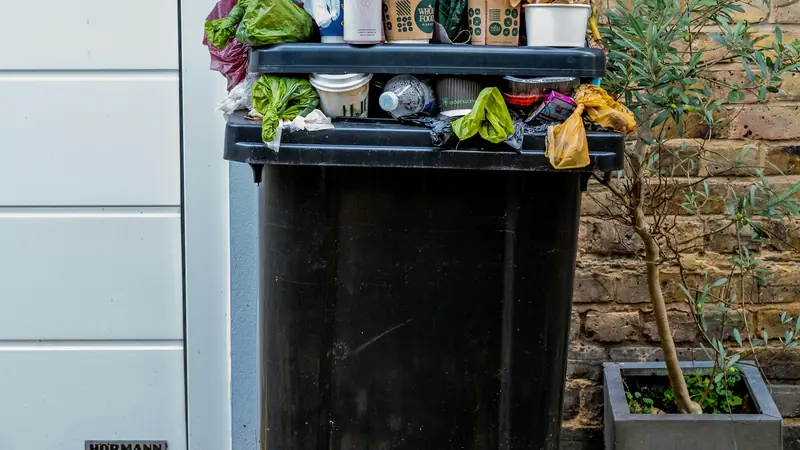 Overflowing · 0.93Bin 14 · 0.97
Bin overflowingBin 14 on Market Street needs collecting
Work order WO-5530Sanitation team told
Which bins need collecting this morning?
Bin 14 on Market Street has been overflowing since 06:40 1. A work order went to the sanitation team, and the collection route now starts there 2.
Copilot · every sentence cites its evidence
RCC on a street bin: it finds the bin overflowing and sends a work order to the sanitation team.
RCCWard 3 · Camera 11
LiveSample data
 View blurred · 0.97
Camera tamperingThe Ward 3 corridor camera lost its focus
Recording healthyWork order WO-5521
Which cameras lost their view tonight?
One: the Ward 3 corridor camera went out of focus at 02:14 1. Its stream and recording are healthy, so a work order went to facilities to check the lens 2.
Copilot · every sentence cites its evidence
RCC on a hospital corridor: it finds a camera that lost its focus and sends a work order to check the lens.
RCCMarket Lane · Camera 06
LiveSample data
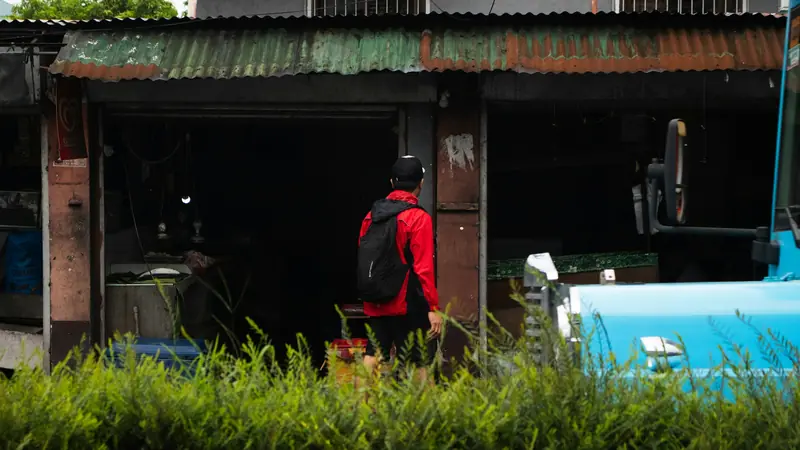 Red jacket, backpack · 0.93
Search resultRed jacket and backpack: 3 cameras, 14:12 to 14:20
Journey builtPackage ready
Red jacket and a backpack near the market, after 2 pm
Found on three cameras between 14:12 and 14:20 1. This is the clearest view, and the route is ready to export as one signed package 2.
Copilot · every sentence cites its evidence
RCC on a market lane: a search in plain words finds a person in a red jacket with a backpack across three cameras.
RCCStore 12 · Till 4
LiveSample data
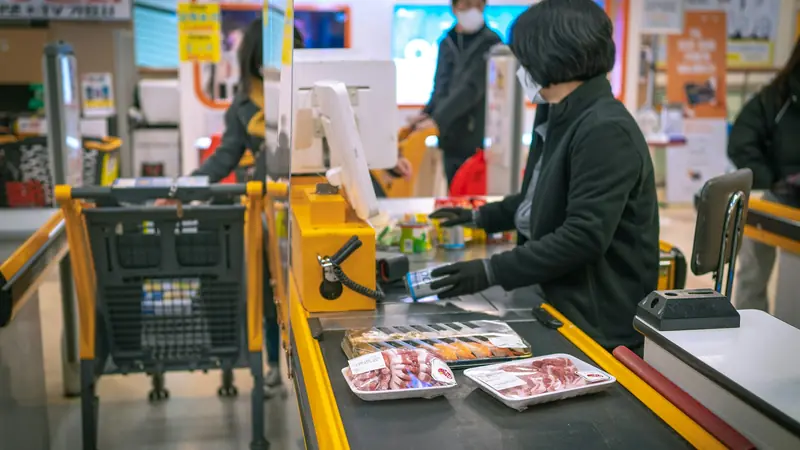 Cashier · 0.98No-sale · drawer open
POS exceptionNo-sale at till 4: the drawer opened without a transaction
Clip linkedCase LP-0412
How many no-sales at till 4 this week?
Six, all on the evening shift 1. Each is linked to its clip, and the pattern opened loss-prevention case LP-0412 2.
Copilot · every sentence cites its evidence
RCC on a store checkout: it ties a no-sale at the till to its video and opens a loss-prevention case.
RCCWarehouse · Camera 15
LiveSample data
 Walkway · no forkliftsForklift · 0.97
Forklift in walkwayA forklift entered the pedestrian walkway at Dock 3
PA warning playedClip held
How often do forklifts enter the walkway?
Three times this shift, all at Dock 3 1. Each warning is in the shift report with its clip, for the safety review 2.
Copilot · every sentence cites its evidence
RCC on a warehouse: it finds a forklift in the pedestrian walkway and plays a PA warning.
RCCPlant 1 · Camera 05
LiveSample data
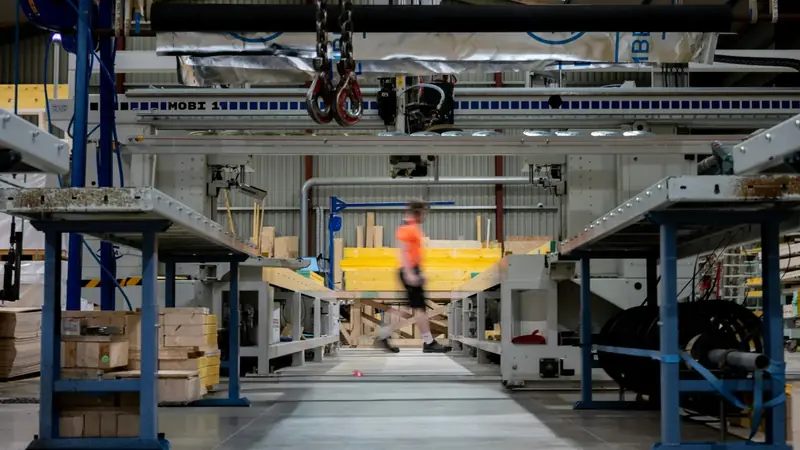 Press line 3 · permit holdersNo permit · 0.94
Restricted zoneEntry to press line 3 without a permit
Supervisor toldClip held
Who entered press line 3 at 13:05?
One person entered at 13:05 with no permit on record for the zone 1. The supervisor was told, and the person left at 13:09 2.
Copilot · every sentence cites its evidence
RCC on a factory: it finds an entry to a permit-only press line and tells the supervisor.
RCCMarket Rd · Camera 03
LiveSample data
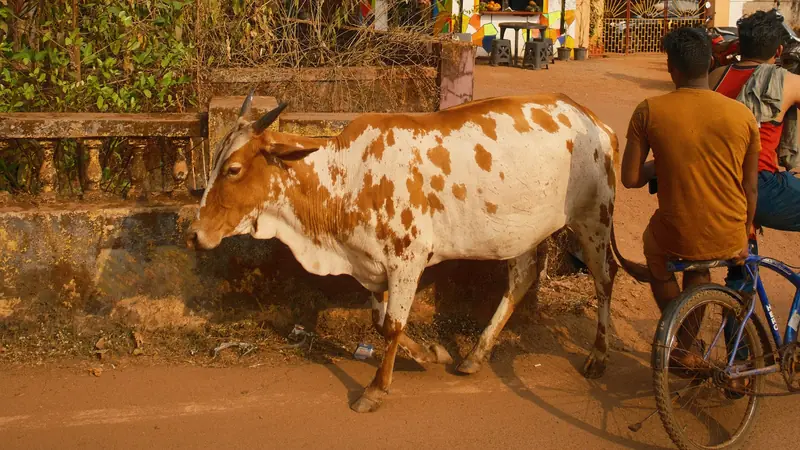 Cow · 0.94Person · 0.97Bicycle · 0.91
Animal on the roadCow beside the cycle lane on Market Road
Clip heldIncident INC-2311Municipal team told
How long has the cow been on Market Road?
It walked in from the east verge at 07:31 1. It has stayed beside the cycle lane for 11 minutes, and the alert reached the municipal team at 07:42 2.
Copilot · every sentence cites its evidence
RCC on a street camera: it marks a person, a bicycle and a cow, raises an animal-on-road alert and tells the municipal team.
1 / 22Face recognition
RCC · Copilot
A copilot that drafts, answers and cites
The copilot drafts investigation summaries and shift briefings, answers questions in plain language and suggests actions. Every sentence in a report cites its evidence; any name, number or time not found in the cited results is removed and listed.
Investigation summaries
A first draft of what happened, with links to every clip and event it used.
Shift briefings
What the incoming shift needs to know, written from the outgoing shift’s record.
Plain-language search
Ask across video, events and records; the translation is shown before it runs.
Scoped to your role
The assistant sees only what the person asking may see, and every run is audited.
QUME · AI insights
AI that finds the anomaly on your endpoints and drafts the fix
QUME’s AI reads the events from every laptop, phone and server it manages. It flags anomalies, predicts what is about to go wrong, recommends changes, and drafts remediations and policies. Each one waits for a person’s review before it acts.
- Anomalies in sign-ins, processes and network activity
- Predictions, such as devices about to miss a patch window
- Recommendations with the evidence behind them
- Drafted remediations that act inside a blast-radius budget
- An assistant that explains any policy decision from its trace
QUMEAI insights
Sample data
AnomalySign-ins at night from a new network on three finance laptops03:12
14 sign-ins between 02:10 and 03:40 on ws-fin-114, ws-fin-118 and lt-fin-031, from a network none of them has used before. Mapped to MITRE ATT&CK T1110, brute force.
Drafted Require step-up sign-in for the finance group and open an investigation with the three devices attached.
Waits for review by a person before it acts
Prediction38 laptops will miss Tuesday’s patch window09:40
At their current check-in pattern, 38 laptops in the sales ring will not be online before the window closes at 18:00 on Tuesday.
Drafted Move them to Wednesday’s ring and tell their owners, with the patch cached at their branch.
Waits for review by a person before it acts
RecommendationTurn off SMBv1 on 112 Windows servers10:05
SMBv1 is still enabled on 112 servers, and no client has used it in the last 30 days.
Drafted A drafted policy turns it off in three rings, with a rollback if a server reports a failure.
Waits for review by a person before it acts
Drafted remediationIsolate srv-web-04 from the database network10:22
Web shell indicators on srv-web-04 (MITRE ATT&CK T1505.003), with outbound connections to an address seen nowhere else on the estate.
Drafted A drafted playbook isolates the server inside its blast-radius budget and keeps the console session for the investigator.
Waits for review by a person before it acts
QWorks · Gatehouse
AI at the gate, on one box
QWorks Gatehouse reads every vehicle’s number plate as it arrives, alerts the unloading team and opens the visit. Its analytics run on the gate’s own box, on a CPU or a GPU, and keep working when the internet is down.
Licence plate recognition
Every vehicle identified at the gate, and its visit opened from the plate read.
Vehicles in the yard
Checkpoint crossing, vehicle class in zone and dwell violations, raised as they happen.
Every visit on video
Live view and playback of every gate, with a sealed record of each visit.
AI you can trust
AI built for operations where a wrong answer has a cost
The same rules apply to every AI feature in RCC, QUME and QWorks.
Runs where your data stays
Analytics run on servers at the site, next to the cameras. Nothing needs the cloud, and air-gapped sites run the same software.
Evidence on every answer
Every sentence the copilot writes cites its source, and anything not found in the cited results is removed and listed.
A person decides
Drafted remediations, policies and recommendations wait for review, and automated responses stay inside a blast-radius budget.
Scoped and audited
The assistant sees only what the person asking may see, and every run is recorded in the audit trail.
Measured, not assumed
Each camera channel and engine has a reliability score, and confidence drift is tracked, so a degrading camera is noticed.
Your own models
The model lab takes your datasets through training, evaluation and deployment, beside the built-in analytics.
Questions
What buyers ask about the AI
Does the AI need the cloud or an internet connection?
No. Video analytics run on servers at the site, next to the cameras, and keep working without an internet connection. RCC runs the same way connected, on premises or air-gapped.
Can the AI act on its own?
Analytics raise events, and events start the SOPs you have configured. What the AI drafts, such as a remediation, a policy or a recommendation in QUME, waits for a person’s review before it acts, and automated responses pass a blast-radius budget.
How do we know the copilot is not making things up?
Every sentence in a copilot report cites the clip, event or record it came from. A name, number or time that is not in the cited results is removed and listed, so the reviewer sees what was taken out.
Can we use our own models?
Yes. The model lab handles datasets, training, evaluation and deployment, and RCC places your models on the same servers as the built-in analytics.
How do we know an analytic is still accurate?
Each camera channel and engine carries a reliability score, and confidence drift is tracked over time, so a camera whose picture is degrading is noticed before its alerts are trusted.
See the AI on your own cameras and devices
Bring a recording from one of your cameras, or a list of your devices. We will show you what RCC’s analytics and copilot, or QUME’s AI insights, find in it.